




Dish + Discourse: The Big Hospital Catering Round Table
The first hospital catering round table hosted by hospital food + service magazine took place at the end of July. Here’s what you missed.
On 27th July, Hospital Food + Service hosted its first Hospital Catering round table, sponsored by Compass Group, Queensland Bakery and Burlodge. Bringing together NHS caterers and suppliers from across the sector, the discussion ran for more than three hours and covered everything from patient satisfaction and technology to procurement, retail, food waste and innovation.
Although opinions occasionally differed, there was a common thread throughout the afternoon: hospital catering is under more pressure than ever before, but it is also evolving rapidly. Delegates shared practical examples from their own organisations, challenged long held assumptions and explored where future opportunities lie. We couldn’t include every point raised around the table, but here are some of the biggest talking points.
ARE WE ASKING PATIENTS THE RIGHT QUESTIONS?
Patient satisfaction surveys have long been used as a measure of catering performance, but the discussion quickly turned to whether they truly reflect the patient experience. For Lauren, patient feedback remains one of the most valuable tools available, provided it is used properly.
“Patient satisfaction is one of the key metrics we use to improve both patient experience and menu planning.”
She explained that her organisation has a dedicated patient satisfaction and experience team, with findings feeding directly into menu planning, operational improvements and wider client reporting. Rather than being a box-ticking exercise, the data provides measurable insight that helps shape future decisions. Stuart agreed that collecting feedback is important but argued that relying solely on formal surveys can leave gaps in understanding.
“We monitor KPIs every month, looking at quality and choice, but we also carry out unannounced observational audits and speak directly to patients using iPads.”
Those face-to-face conversations, he suggested, often reveal issues that traditional surveys fail to uncover. Rebecca echoed that sentiment, explaining that her team has built regular patient conversations into everyday operations.
“We get daily feedback from patients and use it to change menus the following week. It helps reduce waste too because patients can see we’ve acted on what they’ve told us.”
The ability to respond quickly means patients can see tangible improvements, creating a feedback loop that benefits both service quality and waste reduction. Simon questioned whether existing national surveys ask meaningful enough questions.
“Most surveys simply ask if you’d recommend the food. You don’t really get anything good or bad from that. By the time patients are asked about catering, they’re often surveyed out.”
Instead, his organisation offers an alternative QR code survey on menus and posters, giving patients another route to provide more detailed comments. Phil reminded delegates that feedback should always be viewed through the patient’s perspective.
“When we’re asked about food, it isn’t our view that matters – it’s the patient’s.”
It was a simple observation, but one that resonated with the room.
TECHNOLOGY IS MOVING FORWARD, BUT IS ADOPTION KEEPING PACE?
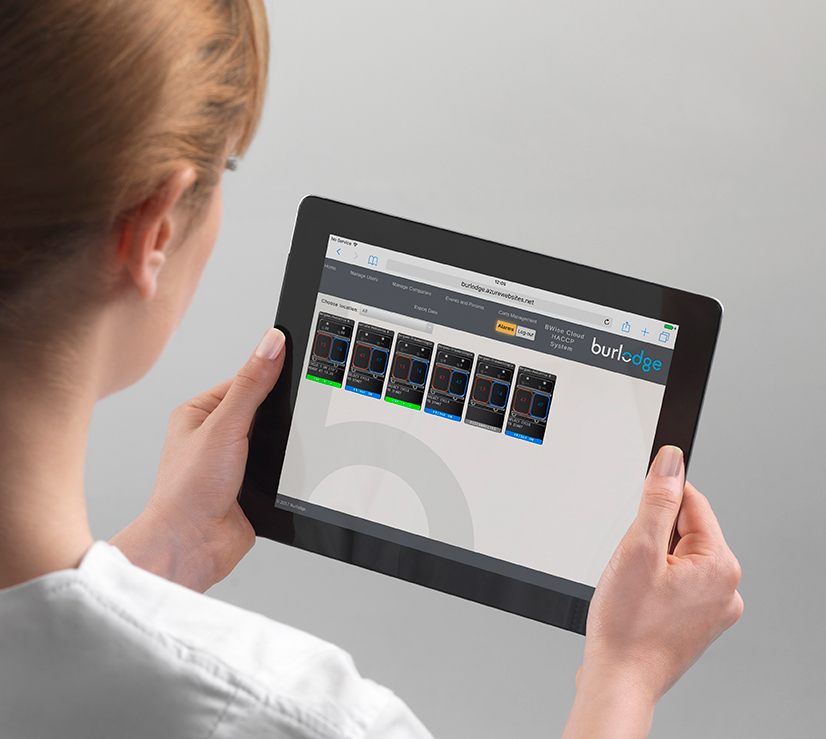
Artificial intelligence may dominate headlines, but delegates agreed that technology in hospital catering is about far more than automation. The discussion focused instead on making better use of the digital systems already available. Angelo highlighted how many hospitals have invested in cloud-based monitoring systems capable of recording trolley temperatures, tracking food movement and monitoring service performance in real time.
“Many hospitals now monitor trolley temperatures and service through cloud systems, but not every module is implemented. Technology is growing – we just need to maximise how we use it.”
For Angelo, the issue is no longer whether technology exists but whether organisations are taking full advantage of it. While electronic monitoring has become increasingly common for food safety and compliance, many systems have additional capabilities that remain underused. Rather than chasing the latest innovations, delegates suggested there may be greater value in fully embedding the technology already sitting within NHS kitchens.
FINDING THE RIGHT BALANCE IN RETAIL
Retail catering continues to provide an important income stream for many NHS organisations, but rising costs have made pricing decisions increasingly difficult. Stewart explained that his organisation has deliberately separated pricing strategies between patients and retail customers while keeping affordability for staff front of mind.
“We’ve kept staff prices reasonable while bringing visitor pricing closer to the high street. Since Covid, our retail income has increased year on year.”
He described how significant investment in refurbishing kitchens and dining facilities, combined with revised pricing structures, had transformed customer behaviour. Where staff once regularly brought packed lunches, many now choose to purchase food on site. Stuart described a similar approach within his own organisation.
“We increased staff prices by around 5%, while visitors went up by about 15%. Most visitors only buy once, so they’re generally willing to pay more.”
The discussion highlighted just how carefully retail operations are now managed. With hospitals expected to generate income while continuing to support staff wellbeing, pricing strategies require a delicate balance between commercial reality and social responsibility.
UNDERSTANDING WHERE WASTE REALLY COMES FROM
Food waste remains one of the biggest challenges facing hospital catering, but delegates agreed that reducing it starts with understanding why it happens. Simon highlighted one area where waste is particularly significant in his trust.
“The most plate waste we see comes from frailty wards.”
For many hospitals, patients on frailty wards have highly variable appetites, changing clinical needs and shorter windows in which food can be consumed. Those factors inevitably contribute to higher levels of plate waste despite the best efforts of catering teams.
Gavin believes understanding those patterns is the key to making meaningful improvements.
“Until we understand where food waste is coming from, it’s difficult to know how to reduce it. Some trusts have already adapted products so they’re only serving what’s likely to be eaten.”
Rather than treating food waste as a single issue, the discussion suggested hospitals should analyse waste by ward, patient group and meal type. Only then can menus, portion sizes and product ranges be adapted to meet genuine demand. It also reinforced the importance of collaboration between suppliers and caterers, ensuring products are developed with hospital environments in mind rather than simply adapted from commercial foodservice.
INNOVATION THAT DELIVERS BETTER OUTCOMES
Innovation was another major talking point, although delegates were keen to move the conversation beyond new products and trends. For Frank, successful innovation begins by listening to clinical colleagues. Working closely with dietitians, his team developed a protein-rich “cake and shake” after consultants raised concerns about patients struggling to consume nutritional supplements.
“We made a milkshake with the right protein and calories, added a protein cake and blended it together. It improved patient recovery on that ward and showed just how important food can be.”
His example demonstrated how relatively simple catering solutions can have a direct impact on patient recovery when clinical teams and catering departments work together.
Rebecca said collaboration is equally important in mental health settings, where individual patient needs can differ significantly.
“We have to make sure we’re meeting every patient’s dietary needs. Food is often one thing patients can control, so giving them choice and a voice is really important.”
Rather than viewing menus simply as lists of meals, Rebecca described food as an important part of person-centred care. Giving patients genuine choice can provide comfort, dignity and a sense of control during difficult periods of treatment. Lauren brought the conversation back to retail innovation, explaining how healthier grab-and-go options are becoming increasingly important for staff and visitors.
“We’re producing food that’s a source of protein or fibre because people want to make quick decisions.”
As consumer expectations continue to evolve, delegates agreed there is growing demand for products that clearly communicate their nutritional benefits without compromising convenience or taste.
LOCAL SOURCING WITHIN NHS FRAMEWORKS
Local sourcing often appears difficult within public sector procurement rules, yet several delegates argued that the barriers are becoming easier to overcome. Joanne explained that improvements in procurement processes have made it much simpler to introduce regional suppliers while remaining compliant.
“We’ve become much better at bringing new suppliers onto the framework. Our local vegetable supplier can even deliver cucumbers within a couple of hours.”
That flexibility, she said, has strengthened relationships with local businesses while improving responsiveness when unexpected demand arises. Frank believes locality should remain an important consideration whenever possible.
“I choose local suppliers because they support local farms, the local economy and seasonal produce.”
While delegates acknowledged that national frameworks will always play a significant role within NHS procurement, there was broad agreement that local suppliers can add resilience, freshness and community value where opportunities exist.
FOOD SAFETY BEYOND THE KITCHEN
Perhaps one of the most thought-provoking discussions centred on food safety outside the direct control of catering teams. Increasing numbers of patients are arranging supermarket deliveries and takeaway orders directly to hospitals, creating new operational and governance challenges. Joanne described the situation her organisation has experienced.
“Patients were getting Tesco deliveries to reception. It became a huge obstruction, and we had no control over what they were ordering.”
Beyond the logistical issues of storing and distributing large supermarket deliveries, the discussion also highlighted concerns around food safety, allergens and nutritional suitability.
Stewart explained how his trust has introduced additional safeguards.
“If someone gets a McDonald’s or KFC delivered, we document it. It gives us some protection if something happens.”
Recording these deliveries helps create an audit trail should concerns arise later, particularly where food has been transported or stored outside safe temperature controls.
Phil concluded the discussion by reminding the room why procurement frameworks exist in the first place.
“The whole point of having a framework is that it protects you when a crisis occurs.”
It was a fitting way to end a conversation that repeatedly returned to one central theme: hospital catering extends far beyond simply serving meals. Whether discussing technology, procurement, retail, patient choice or food safety, every decision ultimately affects patient care.
Pages 10-12, Hospital Food & Service, July/August 2026.
Read also
Food Packaging: A Barrier to Recovery?
Imagine visiting a loved one in the hospital who has just undergone shoulder surgery. With only one arm and hand to use, can they open each...
Class-e: Designed Around the People Who Use It
How Burlodge's next generation of meal delivery has been shaped by the realities of modern healthcare. Every day, healthcare teams deliver...
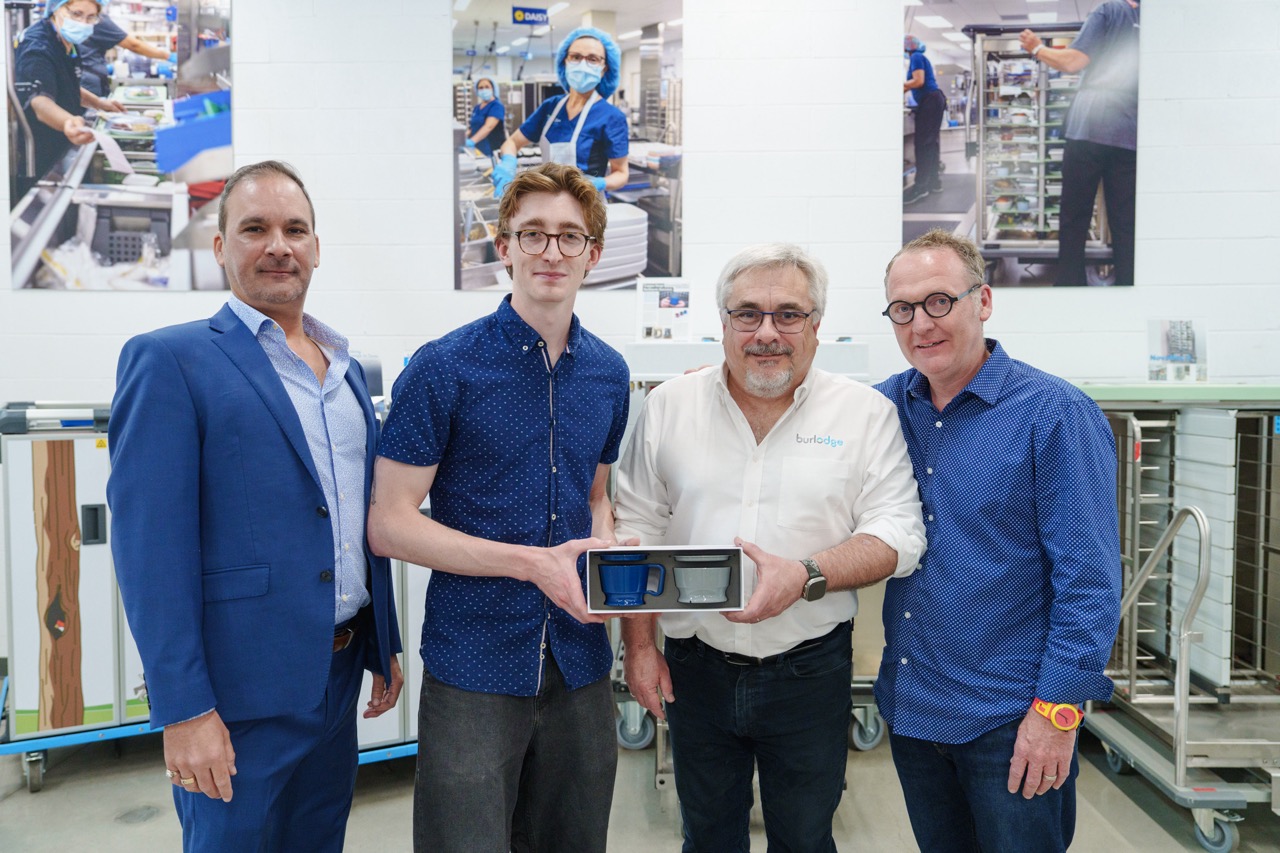
Dining with dignity: Craft and Design student project poised to improve eating, nutrition in care settings nationwide
Food only provides nutrition if it's eaten, and new tableware designed by a Sheridan student is poised to ensure hospital patients and...
Most read articles
Food Packaging: A Barrier to Recovery?
Imagine visiting a loved one in the hospital who has just undergone shoulder surgery. With only one arm and hand to use, can they open each...
Class-e: Designed Around the People Who Use It
How Burlodge's next generation of meal delivery has been shaped by the realities of modern healthcare. Every day, healthcare teams deliver...
Dining with dignity: Craft and Design student project poised to improve eating, nutrition in care settings nationwide
Food only provides nutrition if it's eaten, and new tableware designed by a Sheridan student is poised to ensure hospital patients and...