




Class-e: Designed Around the People Who Use It
How Burlodge's next generation of meal delivery has been shaped by the realities of modern healthcare.
Every day, healthcare teams deliver thousands of meals to patients whose nutritional needs are often as important as the treatment they’re receiving. Behind every tray is a process that has to work seamlessly. Meals need to arrive at the right temperature, on time and in the best possible condition, while staff work within increasingly busy environments.
For more than 40 years, Burlodge has worked alongside healthcare providers to understand the challenges behind that process. While technology continues to evolve, the everyday challenges often remain remarkably consistent. Equipment needs to be easier to manoeuvre. New members of staff need to feel confident using it from day one. Operators need reassurance that meals are being delivered safely and consistently. Increasingly, sustainability also plays a much bigger role in purchasing decisions than it once did.
Those conversations have helped shape every generation of Burlodge equipment and, ultimately, the thinking behind Class-e, Burlodge’s next generation of meal delivery trolleys.
Rather than beginning with a list of new technologies or features, Burlodge started with a simple question: what would make everyday meal delivery easier for the people responsible for it?
Listening First
The development of Class-e wasn’t driven by a single breakthrough. Instead, it reflects years of working alongside healthcare providers, changing expectations across the sector and a desire to make everyday meal delivery simpler. Operators wanted equipment that was easier to manoeuvre through busy wards. Staff needed systems that felt intuitive, particularly as training time became more limited and teams changed more frequently. Foodservice managers wanted greater confidence that meals were being delivered safely and consistently. At the same time, healthcare organisations increasingly looked for solutions that could support their own sustainability ambitions.
Alongside those conversations, new EU-wide F-Gas regulations required manufacturers across Europe to redesign refrigeration systems to meet updated environmental standards. For Burlodge, this became an opportunity to rethink the wider platform.
Rather than treating that as a standalone engineering exercise, the team saw an opportunity to rethink the wider platform. If a redevelopment was already necessary, why not revisit every aspect of the user experience at the same time?
That question became the foundation for the Class-e range.
Even the name reflects that thinking. The ‘e’ in Class-e represents the principles that shaped its development: creating equipment that is more efficient, ergonomic, expert, ecological and elegant. Together, they became the design principles behind the entire range.
Turning Insight into Design
Many of the improvements introduced through Class-e are easy to overlook because they simply make the equipment easier to use.
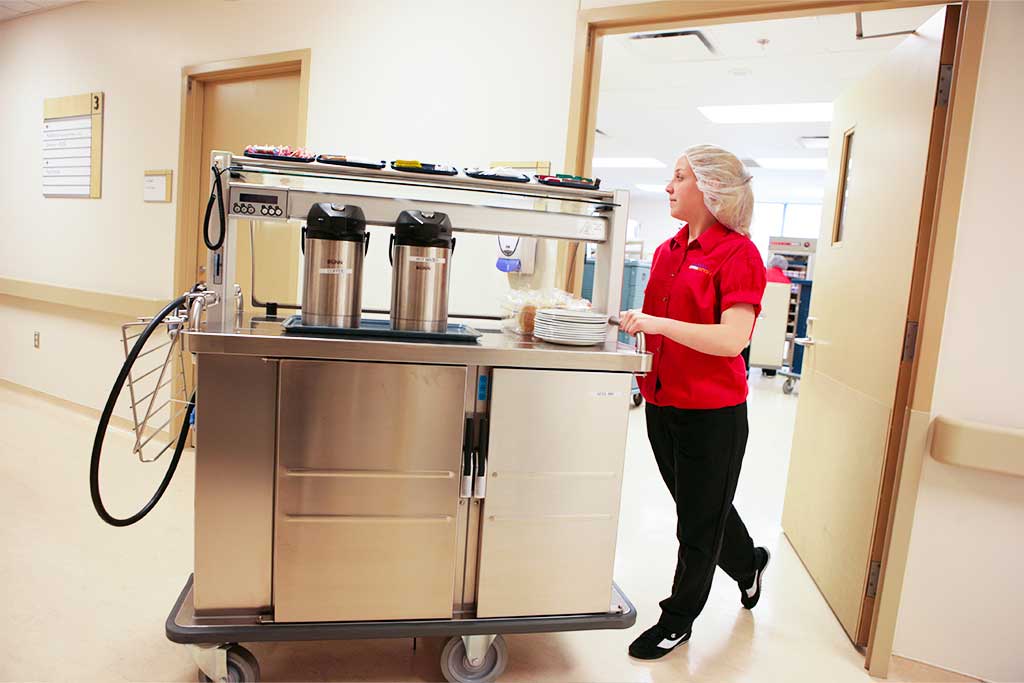
The range has been designed to be lighter and easier to manoeuvre, helping reduce physical effort during meal delivery. Compact dimensions improve movement through corridors and patient rooms, while controls have been designed to feel intuitive from the outset. Good equipment shouldn’t require extensive training before staff can use it with confidence.
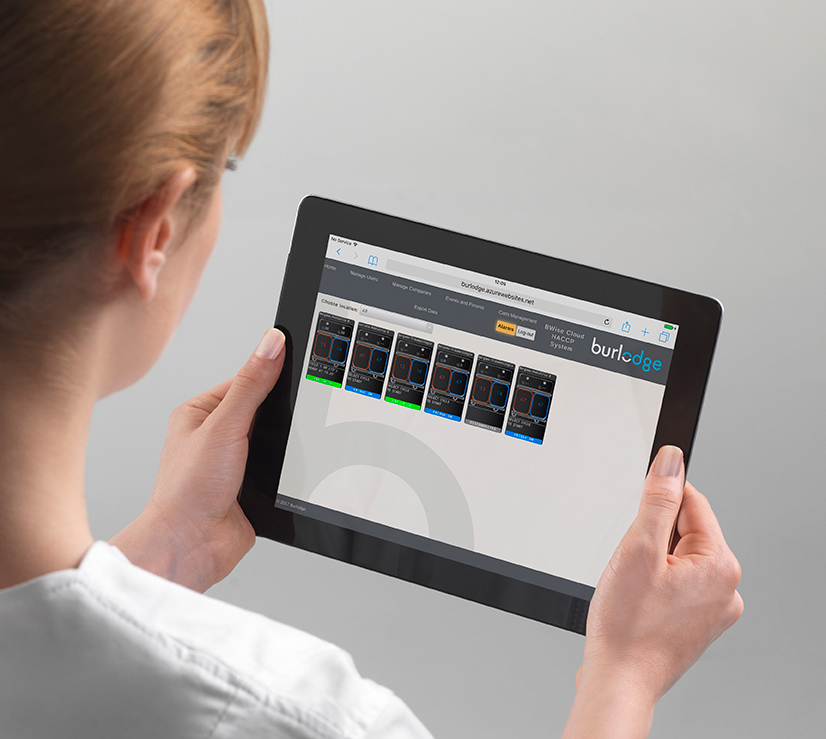
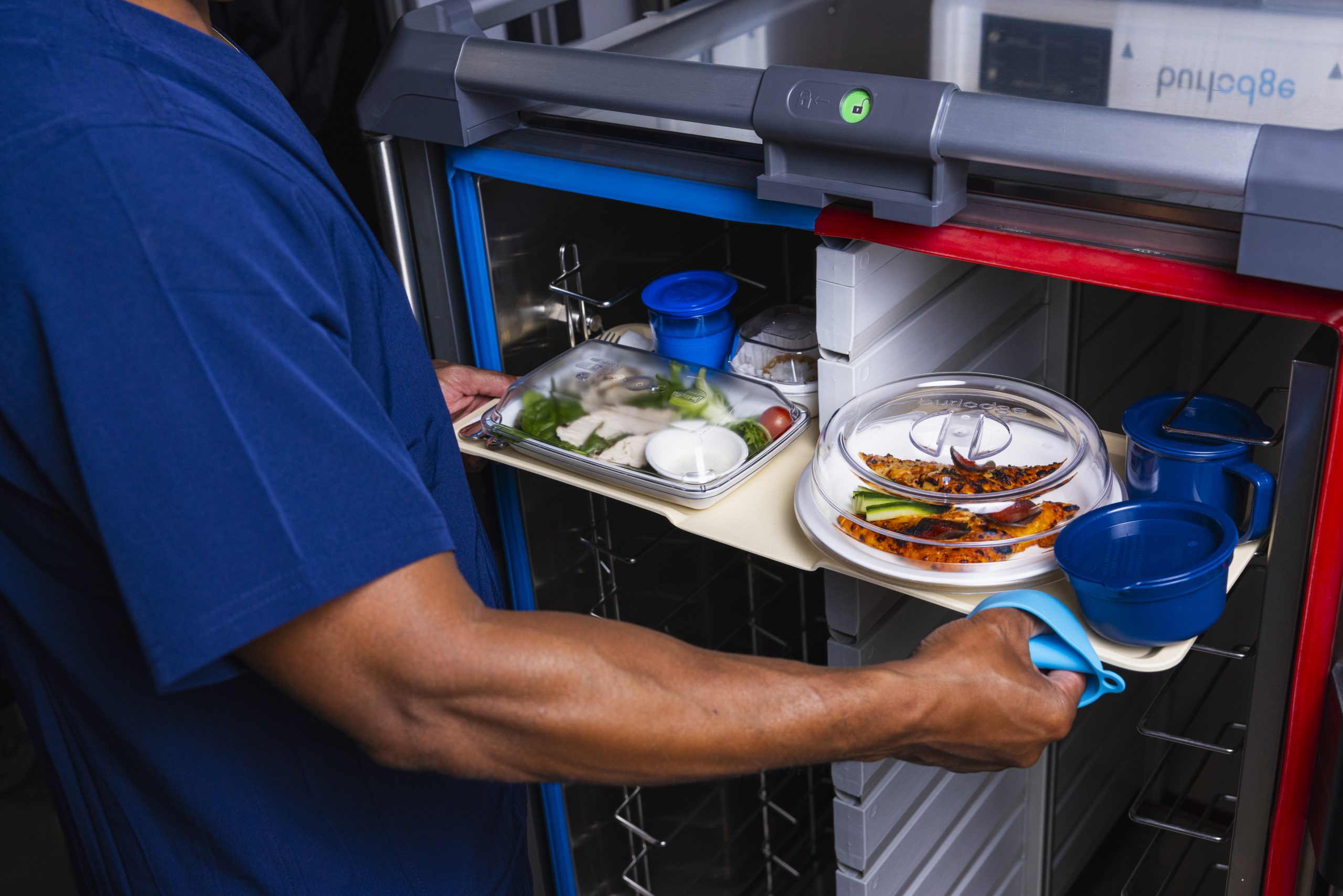
Elsewhere, thoughtful details help remove friction from everyday tasks. Colour-coded gaskets make it easier to identify hot and cold sections at a glance. Clear colour-coded LED indicators allow staff to understand, at a glance, the status of the trolley without interrupting service. Digital monitoring and programming simplify routine management while supporting food safety procedures and compliance. The same thinking extends to cleaning and hygiene. Design choices that make equipment quicker and easier to clean can help support busy teams, while contributing to the high standards of hygiene that healthcare environments demand.
None of these features exists in isolation. Each one responds to a practical challenge identified through years of working with healthcare providers.
The same thinking extends to temperature performance.
Maintaining food quality throughout the journey from kitchen to patient remains one of the most important responsibilities within healthcare catering. Improved insulation, redesigned heating and refrigeration performance, and digital monitoring all work together to help meals arrive in the condition they were intended to be served, while giving operators greater confidence and visibility throughout the process.
Technology plays an important role throughout the system, but always with a clear purpose. Features such as wireless Bluetooth programming via the IQ-Control 2.0 App, remote monitoring and intuitive touch controls have been developed to reduce complexity rather than add to it, allowing staff to spend less time managing equipment and more time focusing on patient care.
Looking Ahead
Healthcare continues to evolve, and meal delivery systems will need to evolve alongside it.
Environmental expectations are increasing. Staffing pressures remain a reality for many providers. Digital tools are becoming an everyday part of healthcare operations. At the same time, the fundamentals of healthcare catering remain unchanged. Meals still need to arrive safely, consistently and at the right temperature, every single day.
For Burlodge, that means continuing to listen, learn and refine its approach.
The Class-e range reflects that philosophy. Alongside improvements in ergonomics, usability and operational efficiency, it incorporates lower global warming potential refrigerants, recyclable components and energy-efficient design principles that support customers working towards their own sustainability goals. Just as importantly, it has been designed to remain durable, serviceable and reliable throughout its working life.
After more than four decades of working alongside healthcare providers, Burlodge understands that meaningful innovation rarely comes from adding complexity. More often, it comes from understanding the realities of modern healthcare and finding thoughtful ways to make everyday tasks simpler for the people delivering them.
Class-e is the latest expression of that thinking. Not a complete reinvention of meal delivery, but the next step in its evolution. A system shaped by decades of experience, informed by customer feedback and designed around the people who rely on it every day.
- Pages 14-15, Hospital Food & Service, July/August 2026.
Read also
Food Packaging: A Barrier to Recovery?
Imagine visiting a loved one in the hospital who has just undergone shoulder surgery. With only one arm and hand to use, can they open each...
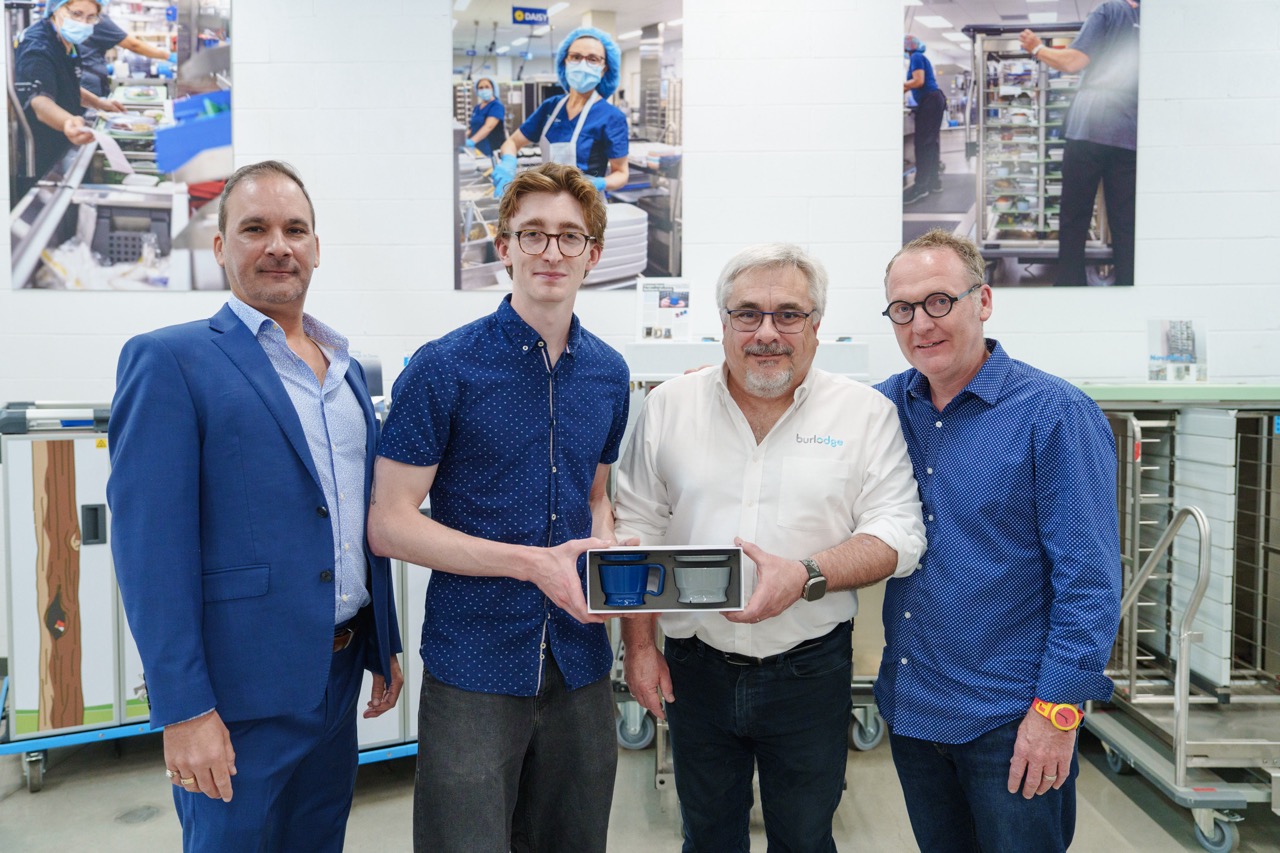
Dining with dignity: Craft and Design student project poised to improve eating, nutrition in care settings nationwide
Food only provides nutrition if it's eaten, and new tableware designed by a Sheridan student is poised to ensure hospital patients and...
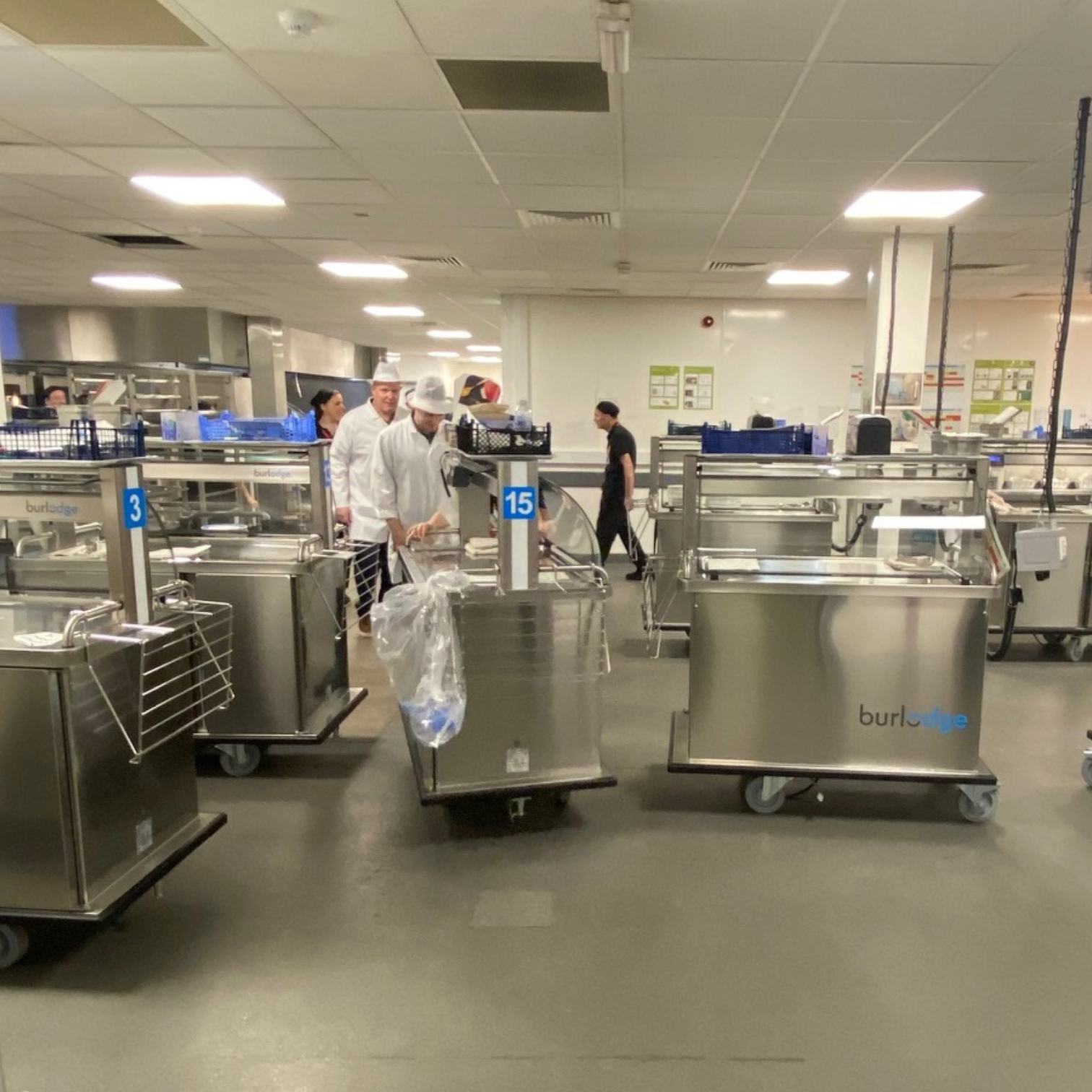
How hospital catering moved from home-cooked to high-quality
Shifting from traditional Cook-Serve to Cook-Freeze can be a great step forward in enhancing efficiency and food quality, but such a big...
Most read articles
Food Packaging: A Barrier to Recovery?
Imagine visiting a loved one in the hospital who has just undergone shoulder surgery. With only one arm and hand to use, can they open each...
Dining with dignity: Craft and Design student project poised to improve eating, nutrition in care settings nationwide
Food only provides nutrition if it's eaten, and new tableware designed by a Sheridan student is poised to ensure hospital patients and...
How hospital catering moved from home-cooked to high-quality
Shifting from traditional Cook-Serve to Cook-Freeze can be a great step forward in enhancing efficiency and food quality, but such a big...