




Food Packaging: a Barrier
Imagine visiting a loved one in the hospital who has just undergone shoulder surgery. With only one arm and hand to use, can they open each item on their meal tray? Fortunately, you arrived just as meal service is happening. However, the last two days have been a struggle for your loved one; exhausted after each meal, trying to open various packages on their tray. If help did arrive, it was often too late, and their food had lost temperature – warm juice and cold soup.
At Burlodge, we've been working on reusable alternatives to snap-on disposable lids for a variety of plateware:
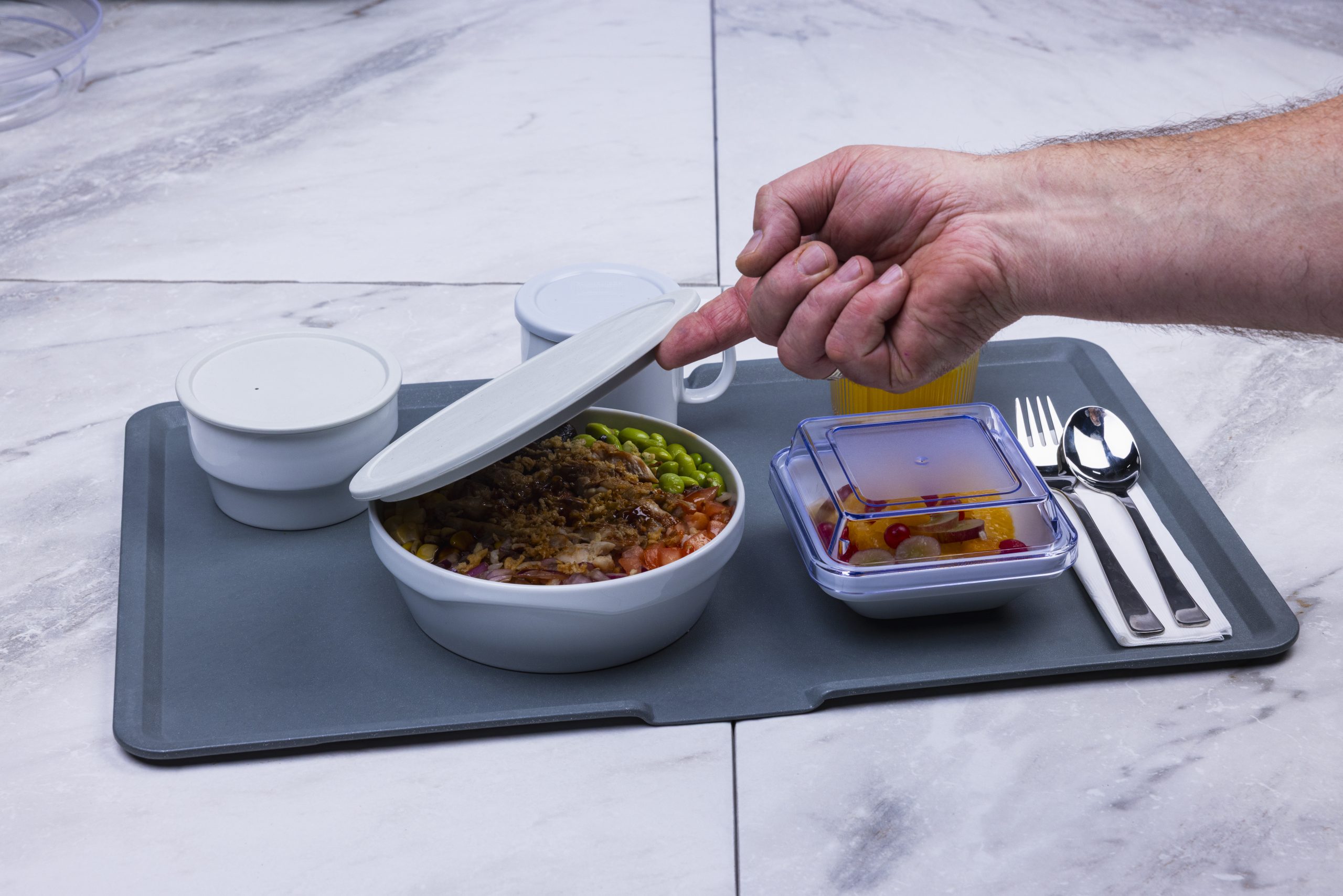
• Plate and side dish lids easily removed with one hand
• Bowl and cup lids easily removed with a flick of the finger
Let's face it, if the food is tasty, it will be eaten. As we say, it's only nutrition if it's eaten. However, if food cannot be accessed, even a 5-star Michelin mac and cheese is pointless!
How can we present food to patients and reduce hard-to-open packaging?
Here are some considerations:
Package Design and Accessibility
Difficult-to-open packaging is a major barrier, especially for elderly patients or those with limited dexterity, arthritis, or weakness due to illness or surgery. Patients may skip meals or parts of meals simply because they cannot open sealed containers, peel lids, or manage utensils provided within the packaging.
Nutrition of Shelf-Stable Packaging
To reduce costs and improve logistics, some hospitals use shelf-stable or pre-packaged items like fruit cups and baked goods, which may be high in sodium or preservatives and lower in freshness and appeal. These meals may be nutritionally inadequate or unappetizing, leading to reduced intake.
Perception of Safety and Hygiene
While sealed packaging is often used to ensure food safety, it can also create a clinical or sterile feel, reducing appetite and enjoyment. Over-packaging can lead to confusion about what is safe to eat, especially for patients with cognitive impairments.
Psychological and Sensory Disconnect
Packaging that obscures the food can reduce visual appeal, such as opaque containers, which is crucial for stimulating appetite. Lack of aroma due to sealed packaging also diminishes the sensory experience of eating.
Environmental and Waste Concerns
Excessive packaging contributes to waste, which staff may perceive as a barrier to sustainable practices. Patients and staff who are environmentally conscious may view over-packaging negatively, affecting their perception of food quality.
With these considerations, what should be focused on?
When the Burlodge team discusses how facilities can move toward less packaged items on the tray, we focus on:
- Using reusable lids for cups and bowls
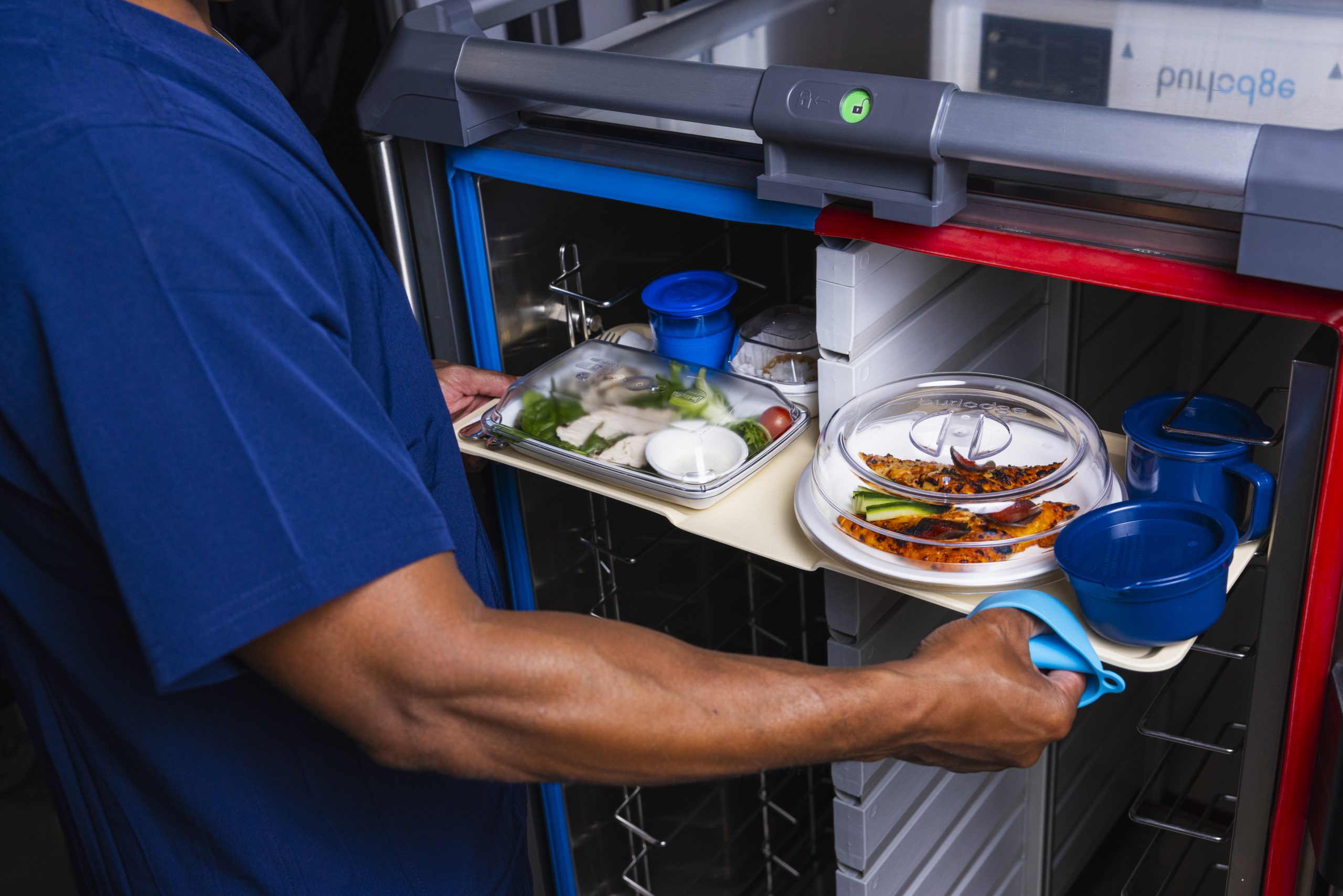
- Using reusable side dishes with clear lids to provide a fresh-looking product presentation that is easy to access
- Providing a simple-to-access cutlery wrap with an automatic cutlery wrapping machine
- Pouring juice and milk into reusable cups with easy-to-remove, yet secure-fitting reusable lids
Sometimes, we hear concerns like:
"This will cost more than disposables as our staff will lose the reusable lids."
In our reviews, we often find that using reusable lids is less expensive than disposables.
"We have to wash more things now, and that is a labor cost."
Fair enough, but consider the cost of waste from disposable packages, how much food is wasted because patients cannot access the food items, and the space savings with reusables versus disposable items.
The challenge ahead is to accept that change is difficult, but sometimes it can be good.
Getting to the good part is hard, but once there, it can lead to greatness.
Burlodge is here to help find a way. Let us work with you to make your tray look amazing and be more accessible.
Read also
Class-e: Designed Around the People Who Use It
How Burlodge's next generation of meal delivery has been shaped by the realities of modern healthcare. Every day, healthcare teams deliver...
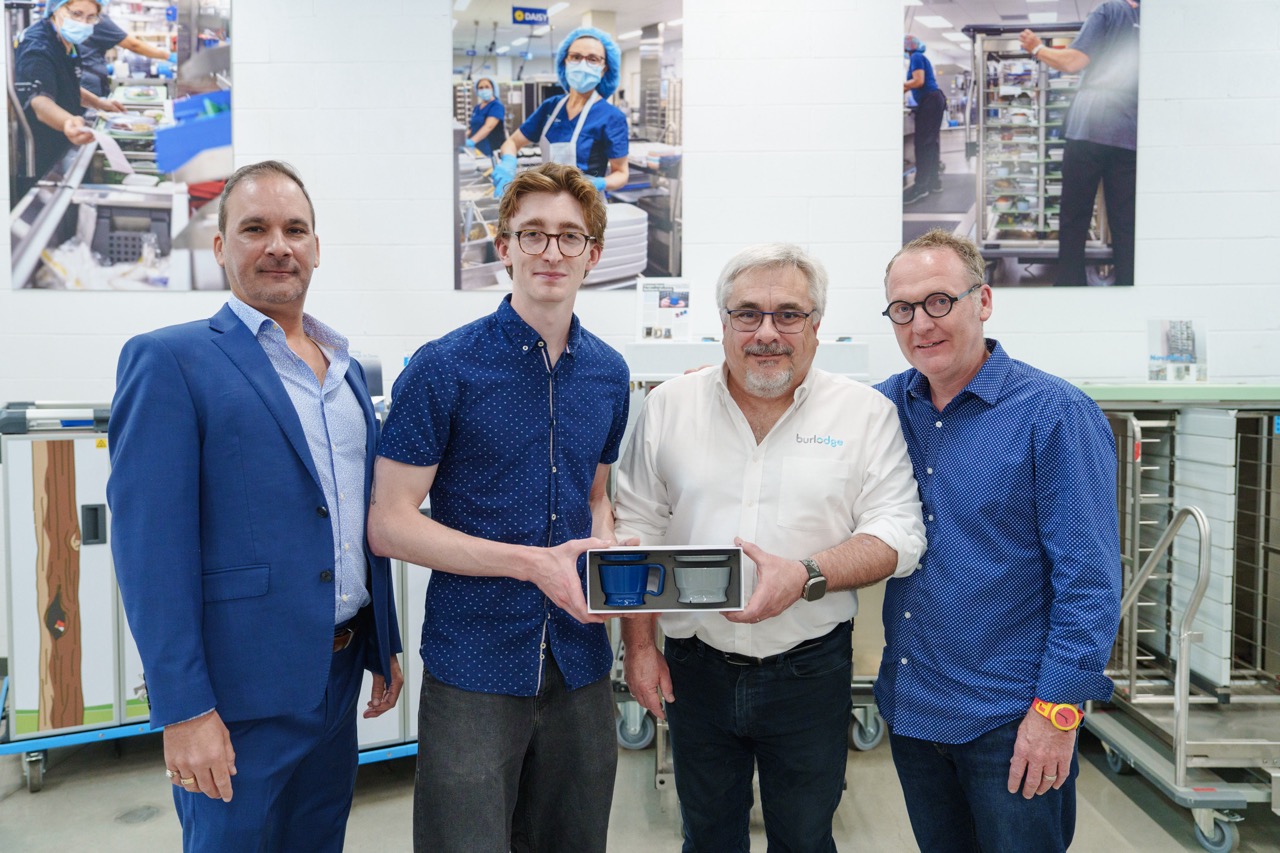
Dining with dignity: Craft and Design student project poised to improve eating, nutrition in care settings nationwide
Food only provides nutrition if it's eaten, and new tableware designed by a Sheridan student is poised to ensure hospital patients and...
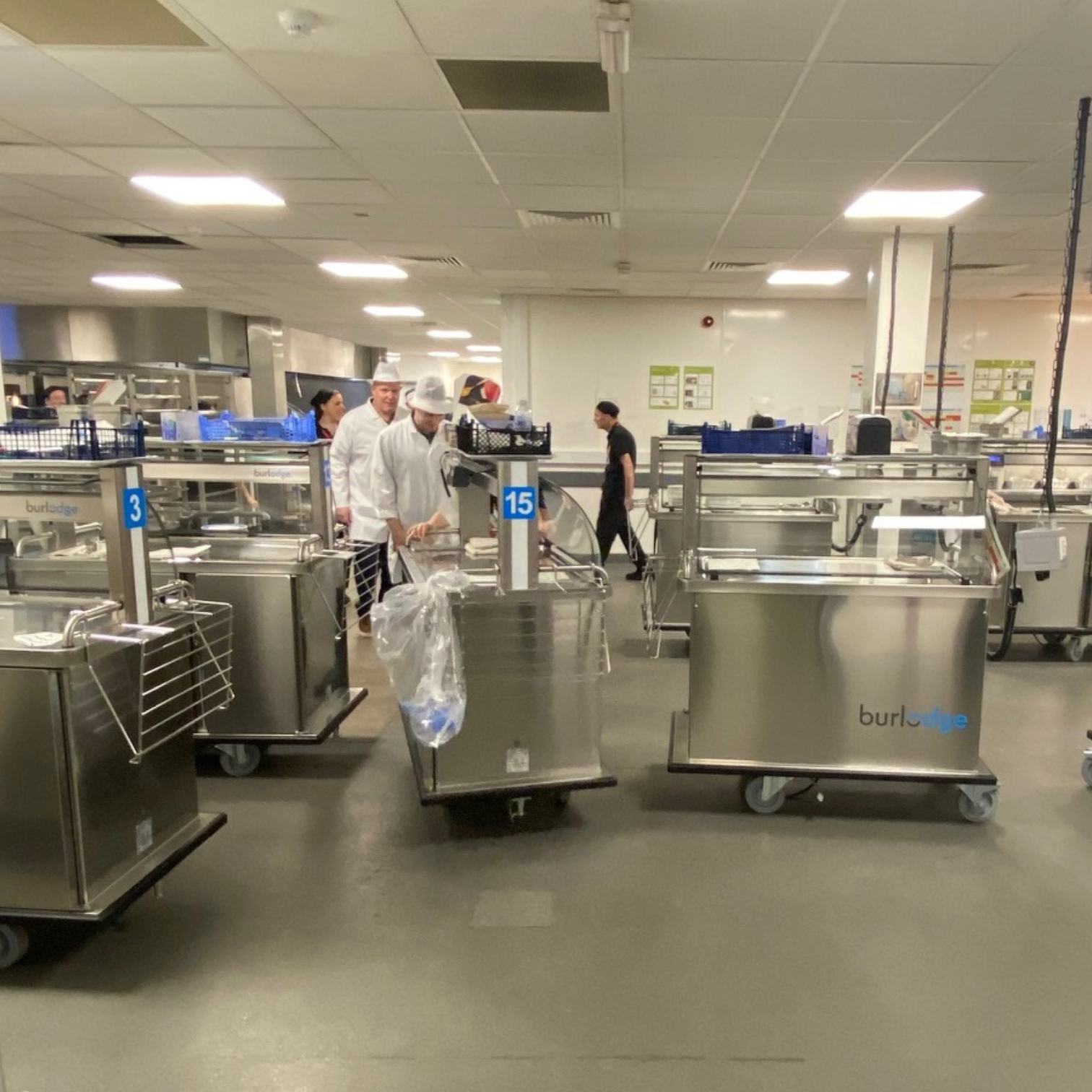
How hospital catering moved from home-cooked to high-quality
Shifting from traditional Cook-Serve to Cook-Freeze can be a great step forward in enhancing efficiency and food quality, but such a big...
Most read articles
Class-e: Designed Around the People Who Use It
How Burlodge's next generation of meal delivery has been shaped by the realities of modern healthcare. Every day, healthcare teams deliver...
Dining with dignity: Craft and Design student project poised to improve eating, nutrition in care settings nationwide
Food only provides nutrition if it's eaten, and new tableware designed by a Sheridan student is poised to ensure hospital patients and...
How hospital catering moved from home-cooked to high-quality
Shifting from traditional Cook-Serve to Cook-Freeze can be a great step forward in enhancing efficiency and food quality, but such a big...